
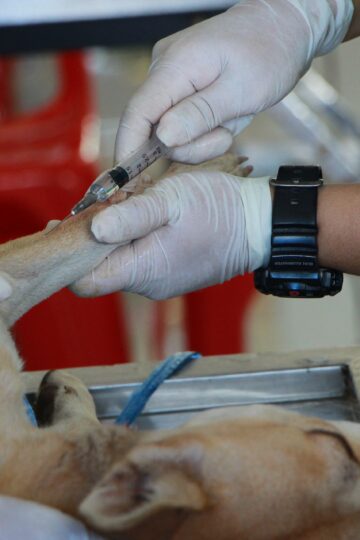
If you’re reading this blog post, you already know how important it is to care for your furry friend. One crucial aspect of their well-being that should never be overlooked is vaccinations. Yes, those little shots might seem like a minor inconvenience or expense at first glance, but let me assure you – they play a pivotal role in safeguarding your dog’s health and the well-being of our entire community. On the other hand, if it’s your first time taking care of dogs that are pure-bred, there are things you should know. Here, we’ll delve into why vaccinating your precious pup should be at the top of your priority list.
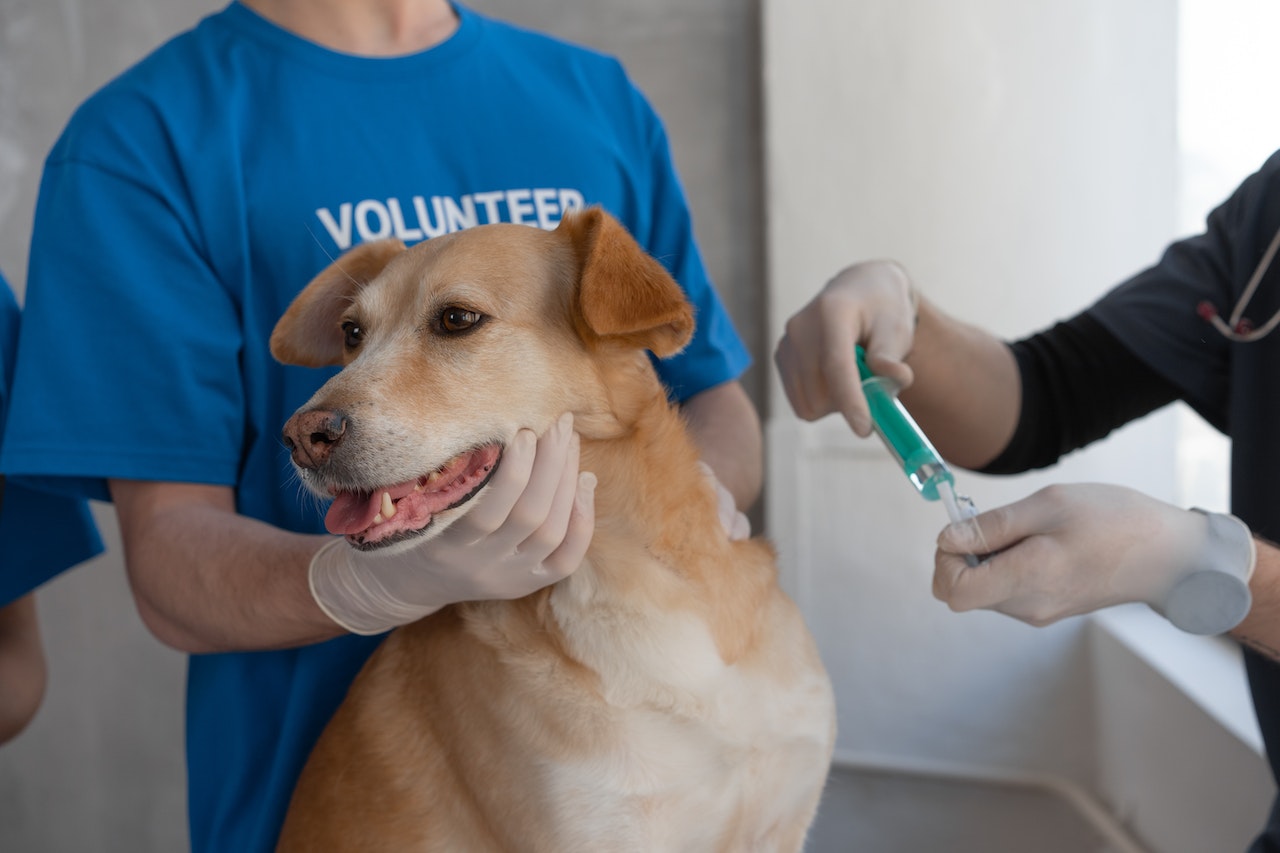
Disease Prevention
When it comes to disease prevention, vaccines are a game-changer for our furry friends. Just like humans, dogs can be susceptible to a range of infectious diseases that can have severe and even fatal consequences. From common illnesses like distemper and parvovirus to more serious conditions like rabies, vaccination provides the necessary protection against these threats. Vaccines work by stimulating your dog’s immune system to produce antibodies that fight off specific viruses or bacteria. By introducing small amounts of harmless antigens into their bodies, vaccines help prepare their immune system to recognize and combat potential pathogens in the future. This proactive approach significantly reduces the risk of infection and helps prevent the spread of disease within canine communities.
Public Health
Ensuring the health and well-being of our furry friends is not just important for their individual benefit but also for the overall public health. Vaccinating your dog plays a crucial role in preventing the spread of infectious diseases that can affect other animals as well as humans. When dogs are not properly vaccinated, they become potential carriers of diseases such as rabies, parvovirus, distemper, and kennel cough. These illnesses can easily be transmitted to other dogs through direct contact or exposure to contaminated areas. In some cases, these diseases can even be transmitted to humans who come into close contact with infected animals. By vaccinating your dog, you are contributing to a healthier community by reducing the risk of disease transmission.
Long-Term Cost Savings
 When it comes to taking care of our furry friends, the expenses can quickly add up. From food and grooming to toys and treats, being a pet parent requires a financial commitment. However, one area where you can actually save money in the long run is by ensuring your dog is properly vaccinated. Vaccinations play a crucial role in keeping your dog healthy and protected against potentially life-threatening diseases.
By investing in regular vaccinations for your canine companion, you are preventing costly medical treatments down the road. Treatments for diseases like parvovirus or distemper can be extremely expensive and often require lengthy hospital stays.
Boarding and Travel Requirements
When it comes to boarding your furry friend or taking them on a trip, certain requirements must be met. One of the most important is ensuring that your dog is up-to-date on their vaccinations. Many boarding facilities require proof of vaccination before they will accept your pet. This is because they want to create a safe and healthy environment for all animals in their care. By vaccinating your dog, you can help prevent the spread of contagious diseases and protect other dogs from potential harm. …
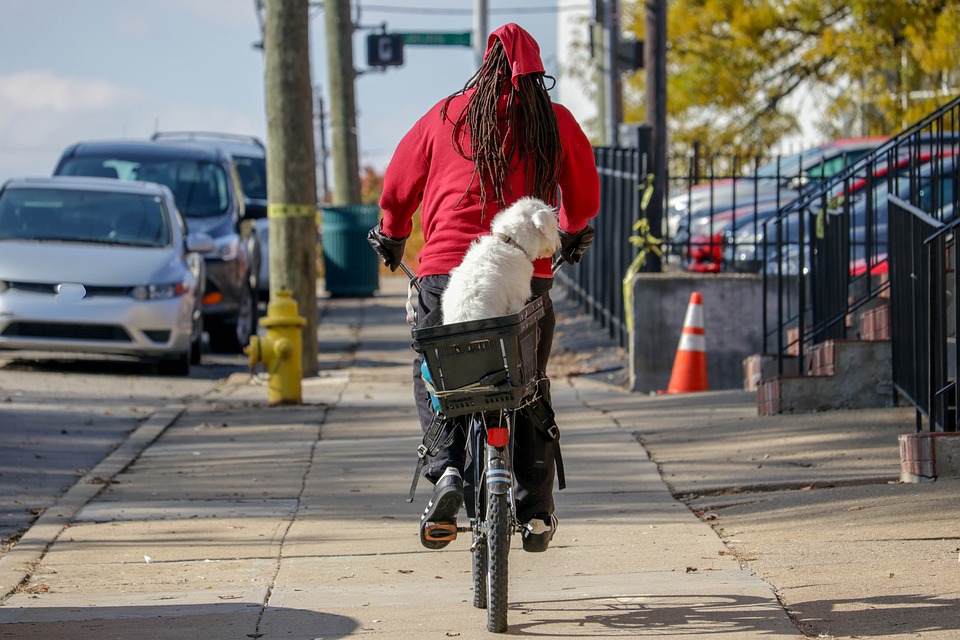
 The common methods of shipping a dog are by automobile and by air. The method to choose is dependent on the length of the journey, timing, size of the dog and even its variety. Also, you have to consider the amount of money you have. Remember that you are prohibited from shipping animals as cargo on the commercial airplanes.
 Usually, on commercial airlines, your dog can only ride in the cabin with you if it is small enough to travel in a carrier that fits under the seat. The specifications can vary from one airline to another. However, there is a maximum space allowed. If your dog does not fit under the seat, then you may have to use a cargo plane. It is a good idea to find out the available space from the airline. The chartered private flights allow large dogs in the cabin. However, this is an expensive option.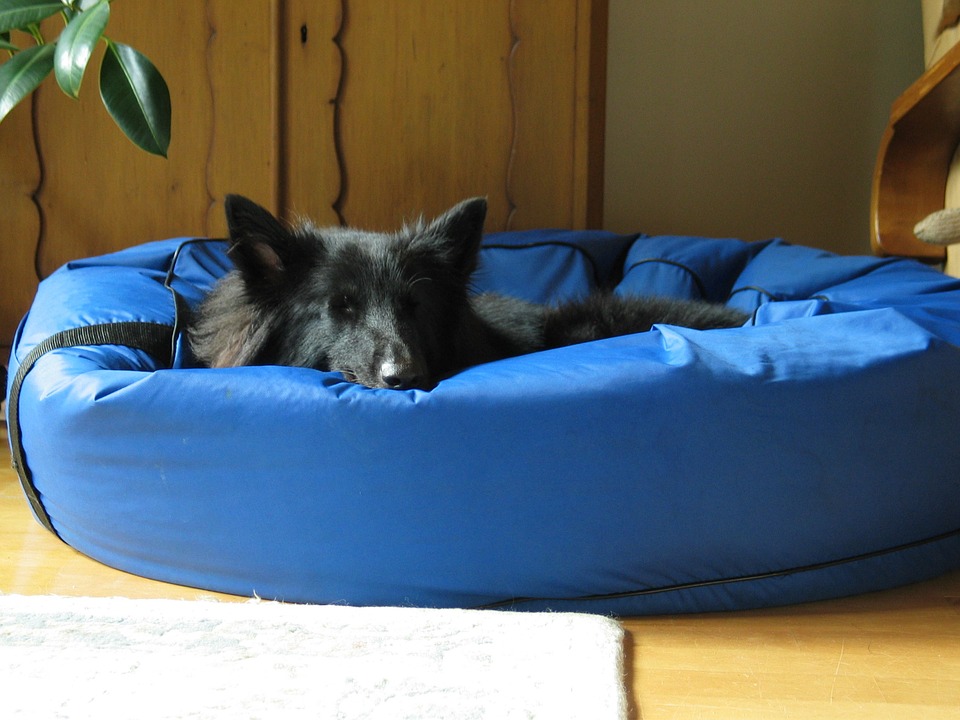

 Every dog is unique and will have specific needs. When purchasing a dog bed consider the particular need of the dog. This can include a dog might have allergies and hence need a hypo-allergic bed. Others may require a bed that will offer support and comfort due to old age or just the fact that they are huge dogs. Some maybe dogs that shed of fur and will need a dog bed that can be easily vacuumed off quickly.

